Pancreatitis and GLP-1s: Understanding the Real Risk
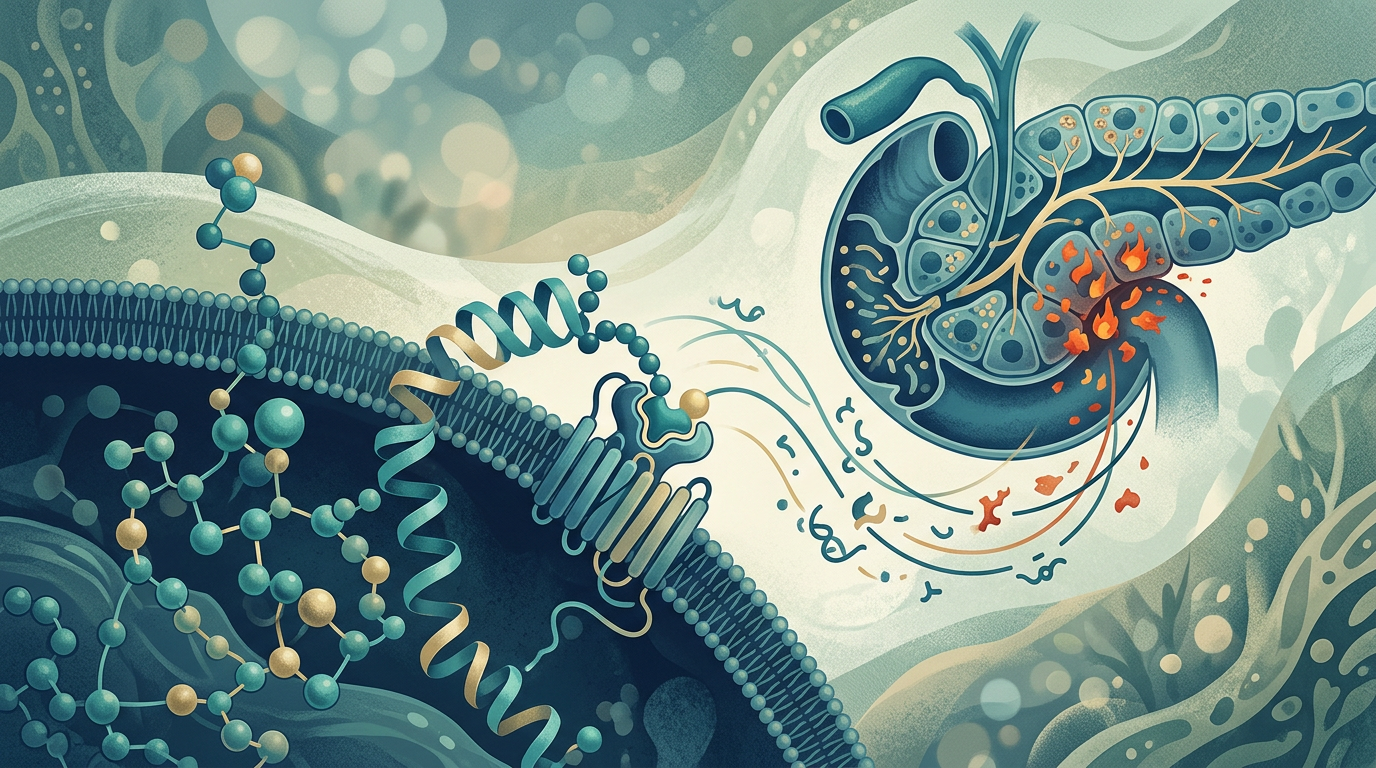
"Pancreatitis" is the word that stops every conversation in online forums about weight loss and blood sugar management. It sounds frightening, and for good reason. It describes inflammation of the pancreas, an organ that sits behind your stomach and helps with digestion. When people see this term on a warning label, they often assume it is a common side effect of drugs like semaglutide. But what do the numbers actually show?
The Data Behind the Fear
To understand the risk, we have to look at the denominator. A 2026 pharmacovigilance analysis looked at over 348,000 reports in VigiBase, the global database for adverse drug reactions PMID 42012593.This study compared seven different GLP-1 receptor agonists.
The researchers calculated reporting odds ratios to see how often specific side effects appeared in the database. While gastrointestinal issues like nausea and vomiting were the most frequent reports, the signal for pancreatitis was much smaller than the public fear suggests.
The study found a reporting odds ratio of 4.24 for liraglutide, but this does not mean that 4% of people experience the condition. It means that reports of this event appear in the database at a higher rate than for other drugs. When you look at the millions of people taking these medications, the actual number of cases remains statistically rare. The data confirms that while the risk exists, it is not a daily certainty for the average user.
Who Is at Risk?
A recent case report provides a clear picture of how this condition can manifest in a real-world scenario PMID 42017101.The report describes a 57-year-old woman taking semaglutide. She had existing health factors, including type 2 diabetes, hypertension, and hyperlipidemia.
The patient experienced severe pain in the upper abdomen and persistent vomiting. This happened shortly after she ate a large, fatty meal. In the hospital, her lipase levels were over 3000 U/L, which is a clinical marker for pancreatic distress. Imaging confirmed interstitial edematous pancreatitis.
This case highlights a key point: pancreatitis is often multifactorial. The patient had several underlying health conditions and a potential dietary trigger. The authors of the report note that biliary pathology and diet play a large role in these events. It is rarely the result of a single factor. Instead, it is often a combination of health history, lifestyle, and medication use.
Putting the Risk Into Perspective
When you worry about pancreatitis, it helps to compare it to other common causes. The most common triggers for pancreatitis in the general population are gallstones and alcohol consumption. If you have a history of gallbladder issues, your baseline risk is already higher.
The 2026 analysis PMID 42012593 showed that younger adults and men had higher reporting rates for various side effects. However, the overall frequency of pancreatitis reports remains low when compared to the total number of people using these drugs globally.
If you are concerned, look at your own risk profile. Do you have a history of gallstones?Do you consume alcohol regularly, these factors often contribute more to pancreatic inflammation than the medication itself. Talking to a professional about your specific health history is the best way to understand your personal risk level.
Recognizing the Warning Signs
Not every stomach ache is a sign of pancreatitis. GLP-1 medications are famous for causing mild nausea, especially when starting a new dose. This is usually a normal reaction as your body adjusts to the medication.
However, there is a difference between mild nausea and the symptoms of pancreatitis. You should seek emergency care if you experience:
- Severe, constant pain in the upper abdomen that may radiate to your back.
- Persistent vomiting that prevents you from keeping fluids down.
- Tenderness when you touch your stomach.
- A fever or rapid pulse.
The case report PMID 42017101 showed that the patient had marked leukocytosis and metabolic changes. These are not things you can monitor at home. If the pain is sharp, constant, and does not go away after a few hours, it warrants a visit to the emergency room. Do not try to wait it out if the pain is severe.
Conversations to Have
Before you start or change your dose of a GLP-1 medication, have a direct conversation with your provider. You do not need to be an expert, but you should be prepared to discuss your medical history.
Ask your provider about your specific risk factors. If you have had gallbladder issues, mention them. If you have high triglycerides, tell them. These are known contributors to pancreatic issues.
Ask what symptoms should trigger a call to their office versus a trip to the emergency room. Knowing the difference can save you a lot of stress. If you are already taking the medication and notice new or worsening abdominal pain, do not ignore it. Reach out to your provider immediately, it is better to ask a question early than to wait until a minor issue becomes a major problem.
The fear surrounding these medications is often louder than the actual clinical data. By understanding the rare nature of these events and knowing your own health markers, you can make informed choices about your health.
Sources
Medical Disclaimer
This content is informational and not medical advice.